 Contents
In the food processing industry, pneumatic valves play a critical role in maintaining the highest standards of hygiene and safety. They automate essential production processes, helping prevent contamination while ensuring consistent product quality.
This article explores the role of pneumatic valves in food processing, how they transform production lines, contribute to compliance with food safety regulations, and the maintenance practices required to keep systems operating at peak performance.
What Are Pneumatic Valves?
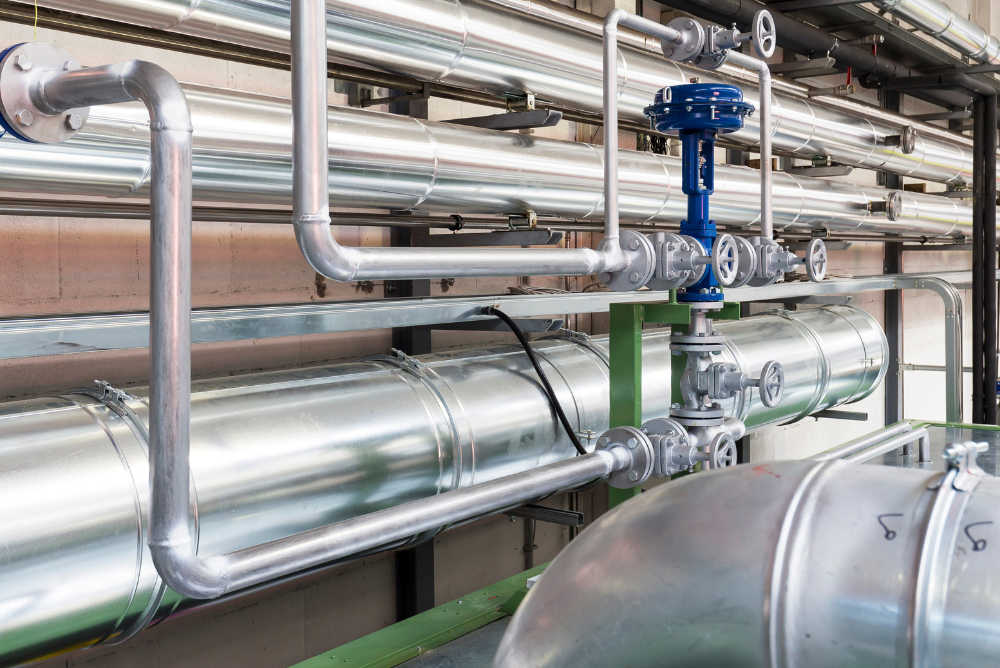
Pneumatic valves are devices that use compressed air to control the opening, closing, or regulation of fluid flow whether liquid or gas within a system. Through electrical or mechanical control signals, pneumatic valves convert compressed air energy into mechanical motion to actuate the valve mechanism.
In practice, pneumatic valves typically consist of two main components: the valve body, which comes into direct contact with the process media, and the pneumatic actuator.
Compared to other types of control valves, pneumatic valves stand out for their fast response time, high durability, and safe operation in hygienic or potentially hazardous environments. In the food and beverage industry, they are especially favored for their ability to deliver precise process control, minimize contamination risks, and integrate easily into CIP/SIP systems (clean-in-place and sterilize-in-place processes).

The Importance of Pneumatic Valves in Food Processing
Pneumatic valves control the flow of liquids and gases in food manufacturing equipment using compressed air. Their design and materials are carefully selected to meet the strict demands of both food production and industrial operation.
- Material Safety and Compatibility:
Pneumatic valves used in food processing are commonly made from stainless steel. This material offers excellent corrosion resistance and chemical compatibility, making it ideal for direct food contact applications. FDA-compliant sealing materials help prevent contaminants, chemicals, or allergens from entering the product stream. This compatibility enables the valves to withstand harsh sanitation conditions and corrosive food ingredients without compromising performance or food safety.
- Automation and Precision:
Pneumatic valves provide precise control over processes such as filling, mixing, and packaging. This level of control ensures consistency across production batches, maintains product quality, and reduces waste. At the same time, pneumatic automation enables manufacturers to scale production efficiently, meet tight tolerances, and minimize human error.
- Hygienic Design:
These valves are designed with smooth surfaces, minimal crevices, and easy-to-clean structures to prevent bacterial buildup and residue accumulation. Hygienic design plays a vital role in maintaining sanitary conditions throughout the production line, helping manufacturers prevent contamination and comply with stringent hygiene standards.

How Pneumatic Valves Optimize Production Lines from Filling to Packaging
The adoption of pneumatic valves has significantly transformed food production lines, making processes faster, more efficient, and safer.
- Improved Filling Accuracy and Speed:
In beverage bottling and liquid food production lines, pneumatic valves precisely control fill volumes while adapting quickly to changes in viscosity and flow rate. This helps reduce overfilling, spills, and product waste, ultimately improving productivity and lowering operational costs. Their fast opening and closing capability allows high-speed production without sacrificing accuracy.
- Seamless Integration into Packaging Systems:
Pneumatic valves are essential components in the stable operation of packaging equipment such as conveyors, bag sealing machines, and capping systems. Their smooth and repeatable motion helps synchronize complex production steps, reducing downtime and minimizing manual intervention. This flexibility also allows manufacturers to handle different packaging formats and product sizes more efficiently.
- Smart Valve Technology:
Advancements in sensors and automation have led to the development of “smart pneumatic valves” capable of remote monitoring and diagnostics. These valves provide real-time operational data, enabling predictive maintenance and reducing unexpected downtime.
The Role of Pneumatic Valves in Meeting Food Safety and Hygiene Standards
Food safety remains a top priority, and pneumatic valves are engineered to meet strict sanitary and regulatory requirements.
- Cleaning and Sterilization Capability:
Pneumatic valves support CIP (Clean-in-Place) and SIP (Sterilize-in-Place) procedures without requiring equipment disassembly. Smooth, polished surfaces and minimized dead zones help prevent residue buildup and improve cleaning efficiency. This not only saves time but also ensures thorough sanitation while preventing microbial growth.
- Compliance with Industry Standards:
Valves used in food applications are commonly certified to standards such as FDA, MOCA, and ISO 22000. These certifications ensure that all food-contact components meet stringent safety requirements, reducing the risk of chemical or physical contamination.
- Sterile Operation:
Pneumatic valves act as a critical barrier against contamination during food production. Their precise control capabilities help maintain sterile processing conditions, minimize air exposure, and prevent cross-contamination from equipment or personnel. This is especially important in sensitive applications such as dairy processing, juice production, and ready-to-eat foods.
- Material and Quality Traceability:
Many manufacturers provide full traceability for valve construction materials such as 316L stainless steel, known for its durability and corrosion resistance. This ensures transparency and reliability while confirming compliance with food safety standards.
Maintenance Considerations for Reliable Pneumatic Valve Operation
Proper maintenance is essential for extending system lifespan, maintaining hygiene standards, and avoiding costly production downtime.
- Moisture Control:
Food processing environments often experience high humidity and temperature fluctuations, which can cause condensation inside compressed air systems. Excess moisture may lead to corrosion and create conditions favorable to microbial growth. Installing moisture control equipment such as water traps, separators, and air dryers is essential for protecting the system.

- Use Food-Grade Components:
Always use food-grade solenoid coils, lubricants, and sealing materials. FDA-compliant seals and specialized lubricants help reduce contamination risks and withstand the chemicals used during CIP/SIP cleaning processes.
- Routine Inspection and Cleaning:
Regular inspections for wear, leakage, and residue buildup help identify problems early. Valve cleaning can be integrated into CIP procedures to remove deposits that may harbor bacteria. In addition, automated flushing using pneumatic actuators can improve cleaning effectiveness without requiring system disassembly.
- System Upgrades and Improvements:
Older systems may not meet modern hygiene requirements. Upgrading valves and actuators with corrosion-resistant, hygienic designs can improve both safety and operational reliability. Keeping systems aligned with updated food safety standards also ensures long-term performance and compliance.
- Expert System Evaluation:
Working with pneumatic specialists in the food industry can help manufacturers evaluate system performance, identify weak points, recommend moisture control solutions, and select the most suitable valves for each application. Experts can also assist in developing maintenance plans tailored to actual production requirements.

Pneumatic valves are indispensable components in modern food processing, enabling automation, precise control, and hygienic operation throughout the entire production process.
With extensive practical experience in industrial automation and pneumatics, Temas is an authorized distributor of SMC products, offering a wide range of specialized valve solutions for the food and beverage industry that fully meet strict requirements for material quality, cleanliness, and durability.
Temas’ engineering team is always ready to support customers with solution consulting, system optimization, and operational efficiency improvements. Contact Temas for in-depth technical support and the opportunity to experience and evaluate solutions directly at your factory.


 Read more