 Contents
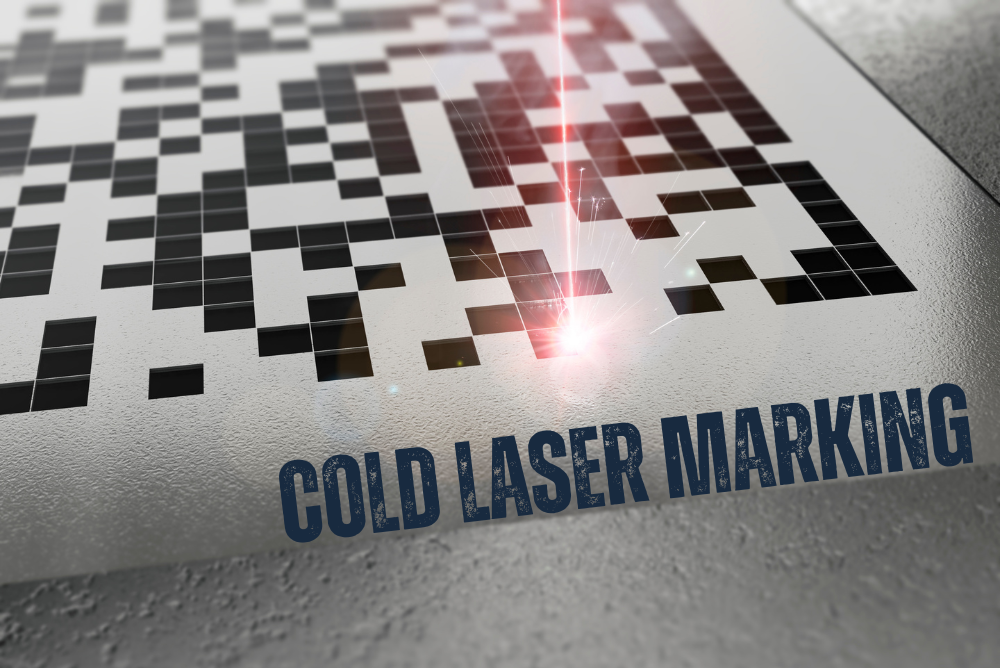
Engraving depth is one of the most important factors influencing both the durability and readability of a permanent mark on a product. It directly determines whether the mark can remain legible and identifiable throughout the product’s service life.
If an engraving is too shallow, environmental exposure, operational wear, or surface finishing processes may gradually erase the information, reducing traceability and affecting the accuracy of quality inspections. On the other hand, removing excessive material to create an overly deep mark can alter stress distribution on the component surface, potentially affecting mechanical strength and overall product performance.
For manufacturers, the challenge is finding the optimal engraving depth that ensures long-term mark durability while maintaining clear readability throughout the product lifecycle. Consistently controlling this parameter helps meet technical and operational requirements across a wide range of applications.

The Impact of Engraving Depth on Durability and Readability
Engraving depth has a direct influence on product performance and mark longevity throughout the entire service life of a component. Understanding this relationship helps manufacturers select the most appropriate marking method for specific applications.
Product Durability
Deep engravings generally remain readable for a longer period. However, as engraving depth increases, localized stress concentration points may develop around the engraved area, increasing the likelihood of microscopic crack formation.
For laser-marked high-strength alloys, excessive engraving depth may also alter the material's microstructure due to localized heating and surface resolidification. This can change residual stress conditions, reduce fatigue resistance in load-bearing components, and compromise long-term stability.
Conversely, shallow engravings have minimal impact on the material structure but may become obscured during surface finishing processes. On softer materials or thin-coated surfaces, shallow marks can also deteriorate more easily under working conditions, reducing traceability reliability.
When controlling laser engraving depth, manufacturers must consider both the amount of material removed and the impact of surface finishing processes or environmental exposure on mark contrast and visibility.
Readability and Identification
The readability of an engraved mark depends on how the surface interacts with light and automated reading systems. Both human operators and machine vision systems rely on contrast created by surface geometry and shadow effects.
A shallow mark with sharp, well-defined edges can remain highly readable if it consistently produces sufficient contrast. In contrast, a deep mark with rounded or uneven features may scatter light, making code reading more difficult.
Consistent depth across characters or data cells allows light to reflect more uniformly, improving barcode grading and verification performance. When depth varies significantly, shadow intensity changes as well, making readability heavily dependent on lighting angle and inspection conditions.

The Relationship Between Engraving Depth and Service Life Across Different Materials
Material properties play a critical role in determining the appropriate engraving depth. A depth suitable for one material may not be suitable for another:
Hard Metals
Hardened steels and high-strength alloys typically require precise control of engraving depth because they are particularly sensitive to surface modifications.
Excessively deep engravings can create stress concentration points along the edges and bottom of the engraved area. Under high-load conditions, these locations may become initiation sites for cracks.
For hardened materials, Temas recommends moderate engraving depths combined with sharp feature geometry. Laser annealing is often an effective solution because it generates contrast by modifying the surface oxide layer rather than removing material, helping meet stringent stress-related requirements across various industries.

Soft Metals
Soft metals can achieve deeper engravings with lower laser energy levels. While this improves visibility, it can also introduce other durability concerns.
Due to the ductile nature of these materials, deep engravings may deform during handling, transportation, or assembly operations.
Surface finishing processes also play a significant role when selecting engraving depth. For example, on anodized aluminum, the protective oxide layer may reduce the visible depth of a mark if the engraving does not fully penetrate the coating. As a result, engraving depth should always be evaluated alongside the finishing process to ensure overall product quality.
Plastics
Plastic materials respond differently to engraving depth depending on their elasticity and thermal sensitivity. Excessive engraving depth may cause stress whitening, localized deformation, or other surface defects.
In many cases, shallow engravings can provide sufficient visibility because natural contrast exists between engraved and unengraved areas. Depth control is especially important for thin plastic components, where excessive material removal may compromise sealing performance or structural integrity.

The Relationship Between Engraving Depth, Speed, and Quality
Engraving depth directly affects production efficiency. Greater depth requirements generally demand higher energy input and tighter process control.
Key factors to consider include:
Engraving Speed
The faster the engraving speed, the shorter the laser interaction time at each location, resulting in shallower marks. Conversely, reducing speed increases engraving depth but can reduce overall production throughput.
However, many modern laser systems offer advanced pulse control capabilities. Gravotech laser marking systems, for example, can achieve the required engraving depth while maintaining optimal operating speeds, helping reduce production bottlenecks without sacrificing mark durability.
Mark Quality
Excessive laser energy can create a larger heat-affected zone (HAZ) on the workpiece surface, reducing edge sharpness and readability. Overly deep engravings may also distort character geometry.
Laser systems featuring high-precision motion control and intelligent parameter management can maintain consistent engraving depth, even on complex or irregular surfaces.
Common Engraving Depth Issues and How to Solve Them
Variations in engraving depth can result from marking methods, material conditions, or process inconsistencies, leading to production and inspection challenges.
1. Paint and Surface Coatings
When engraved parts are painted, plated, or coated, the coating material can fill engraved recesses and reduce contrast.
To address this issue, optimizing mark geometry is often more effective than simply increasing depth. For example, larger Data Matrix cells are less likely to become completely filled, helping preserve visibility and readability after coating.
Laser systems capable of producing sharp, well-defined marks at varying depths also help maintain mark quality after surface treatment processes.

2. Inconsistent Depth on Curved Surfaces
For curved or complex-shaped components, continuously changing focal distances can cause uneven engraving depth.
A practical solution is a 3-axis laser system with dynamic focusing capabilities. This technology maintains a consistent laser spot size and energy density across the entire surface, resulting in more uniform engraving depth.

3. Corrosion Concerns
While deeper engravings generally improve mark durability, breaking through protective surface layers may alter electrochemical conditions and increase the risk of corrosion.
Temas recommends prioritizing contrast-generating methods such as laser annealing or controlled oxidation whenever possible, rather than removing excessive amounts of material. When deep engraving is unavoidable, additional post-marking surface treatments should be considered to improve corrosion resistance.
4. Shadowing Effects During Code Scanning
Deep engravings often create pronounced shadowing under directional lighting. Although this can improve visibility to the human eye, it may negatively affect machine vision systems and barcode scanners.
Excessive shadows can distort the geometry of data cells and reduce barcode grading performance.
To overcome this challenge, manufacturers should balance engraving depth, code design, and system capabilities. Increasing spacing between data cells or using laser systems with automatic power adjustment can help optimize depth while maintaining reliable scanning performance.
Selecting the right laser system, configuration, and operating parameters allows manufacturers to maximize the benefits of laser marking technology while meeting increasingly demanding industry standards. Temas is an authorized distributor of Gravotech laser marking systems in Vietnam. Contact us for expert guidance on selecting the most suitable marking solution for your specific application requirements.



 Read more